
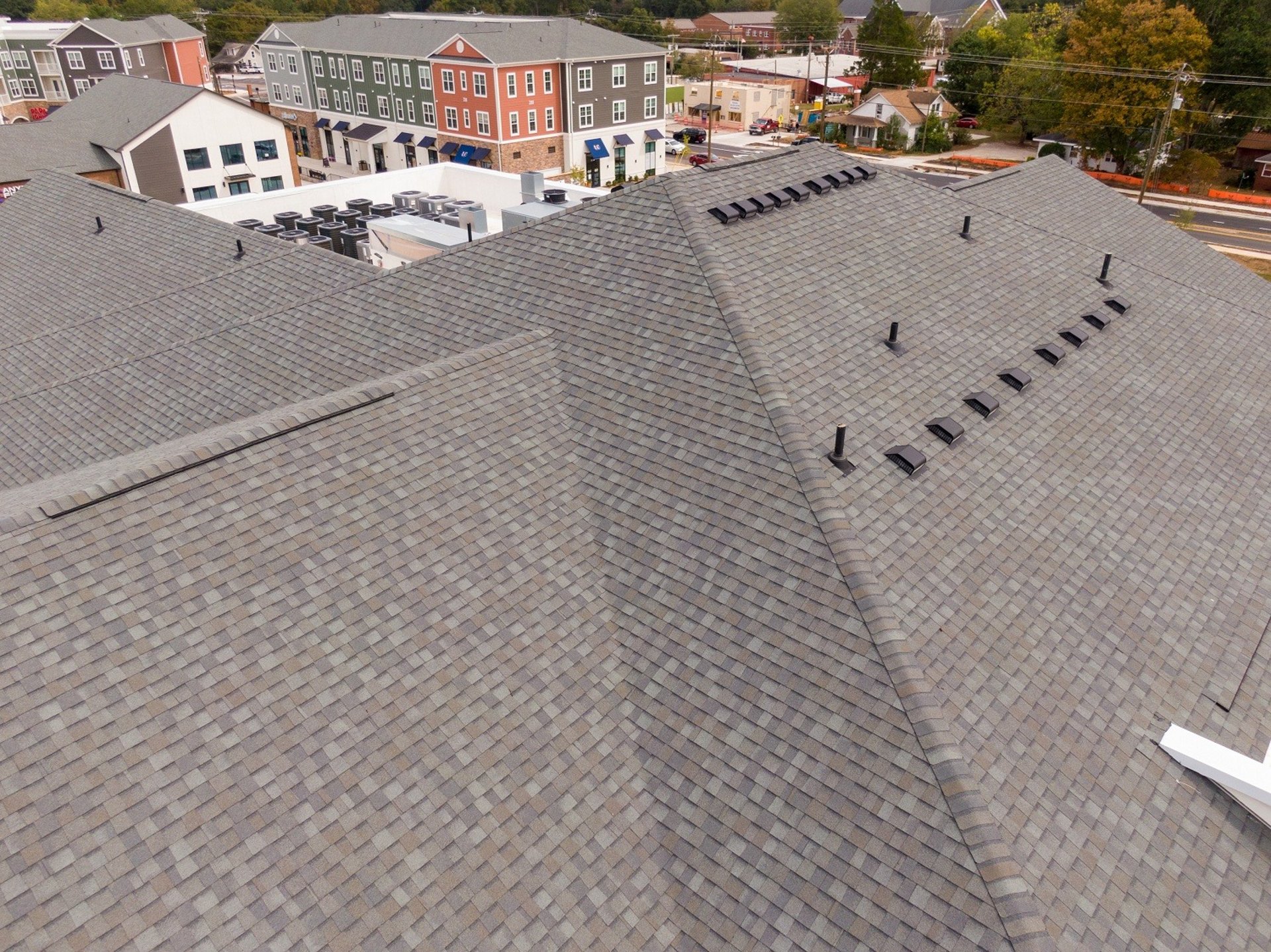
Steep Slope Roof
Steep slope roofs are a popular choice for many commercial buildings, admired for their aesthetic appeal and functionality. These roofs are not just about looks; they offer significant advantages that make them an ideal investment for owners, architects, general contractors, and roofing consultants.
What is a steep slope roof?
Steep slope roofs are architectural elements characterized by a pitch greater than 3:12 (where for every 12 units of horizontal distance, the rise is at least three units). This steep angle allows for efficient shedding of rainwater and snow, reducing the risk of water pooling and damage and enhancing longevity.
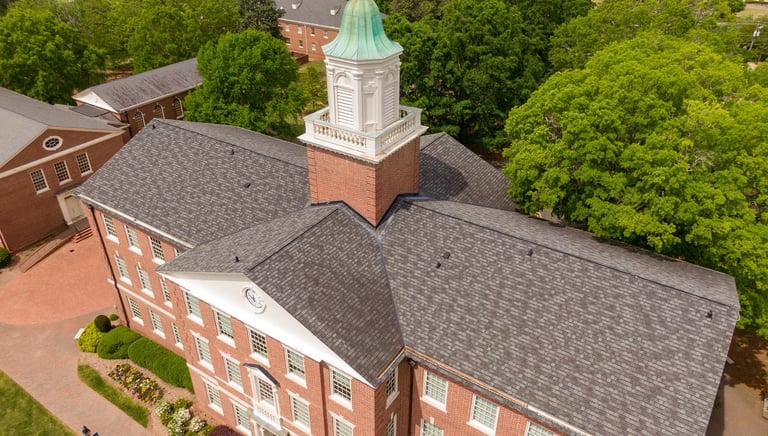
Known for their aesthetic appeal and superior water-shedding properties, steep-slope roofs are found on churches, malls, commercial buildings, multi-unit residential properties, ski resorts, storage facilities, and restaurants. Unlike low-slope roofs, steep-sloped roofs often feature architectural elements such as gables, dormers, and intricate roof shapes, adding visual interest to the building’s exterior.
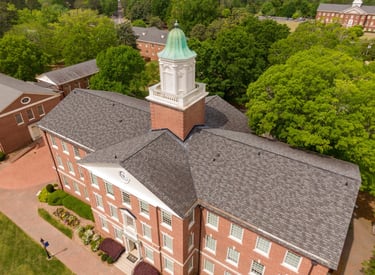
How Does A Steep Slope Roof System Work?
A steep slope roof system relies on the design of its pitch, which encourages water and snow to slide off rather than accumulate. The roofing materials are selected to complement this drainage system, ensuring that water is efficiently directed away from the building.
These roofs are often constructed with overlapping materials such as shingles or tiles that provide a durable, water-resistant barrier. Flashing is typically used around roof edges, chimneys, and skylights to create a seamless seal and prevent water infiltration.
Steep slope systems can also feature insulation to improve energy efficiency, helping to regulate indoor temperatures year-round.
Benefits of a Steep Slope Roof
Improved Water Drainage: The steep pitch of the roof promotes rapid water runoff, preventing water from pooling on the roof and reducing the risk of leaks, mold, or structural damage.
Long Lifespan: Steep slope roofs made with high-quality materials, such as metal, slate, or tile, are known for their durability and can provide protection for 50 years or more with proper maintenance.
Aesthetic Appeal: Steep slope roofs offer an attractive appearance and can add architectural value to your building. Various materials such as slate, tile, and architectural shingles provide different looks, from traditional to modern.
Weather Resistance: The angle of a steep slope roof makes it more resilient against harsh weather conditions, including high winds, heavy snow, and rainfall. The materials used, especially in high-quality systems, are built to withstand the elements.
Energy Efficiency: Steep slope roofs can be designed with materials that enhance the energy efficiency of your building. For instance, metal roofs or reflective shingles can help reduce heat absorption and keep the interior cooler in warmer climates.
Increased Property Value: A well-installed steep slope roof can increase the value of your property due to its visual appeal, longevity, and low maintenance requirements.
In conclusion, Steep Slope Roof Systems offer an excellent solution for commercial buildings seeking both functionality and aesthetics. These roofing systems are not only visually appealing, adding a unique design element to any structure, but they also provide significant practical benefits.