
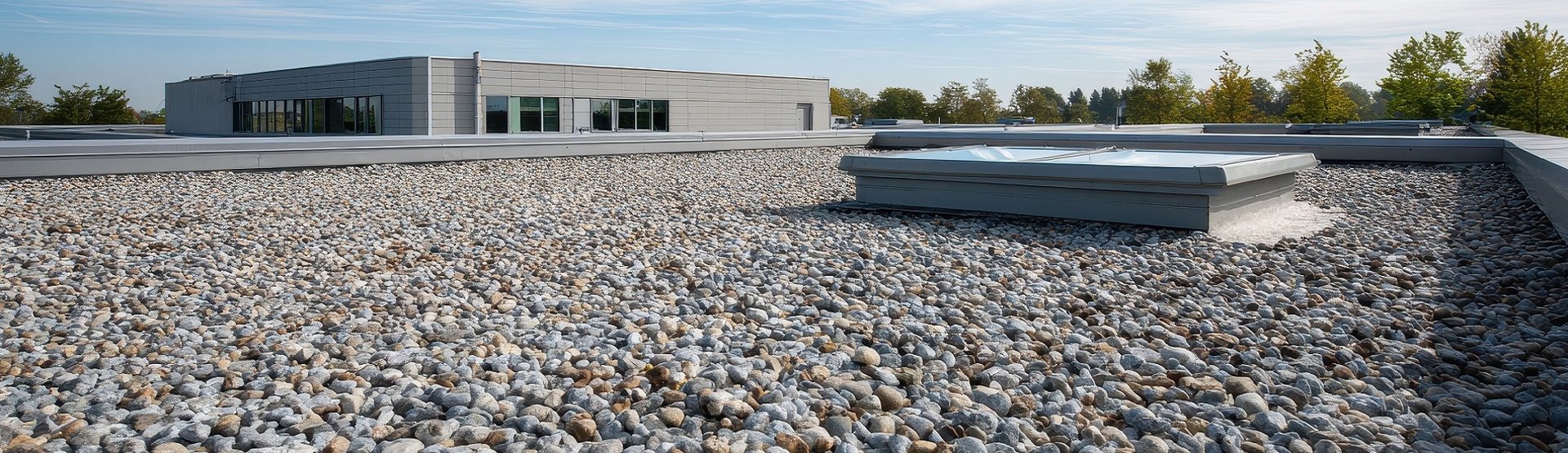
Built-Up Roof
What is a Built-Up Roof
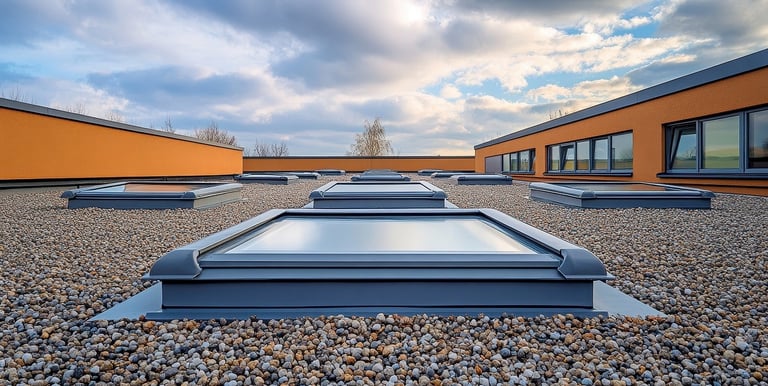
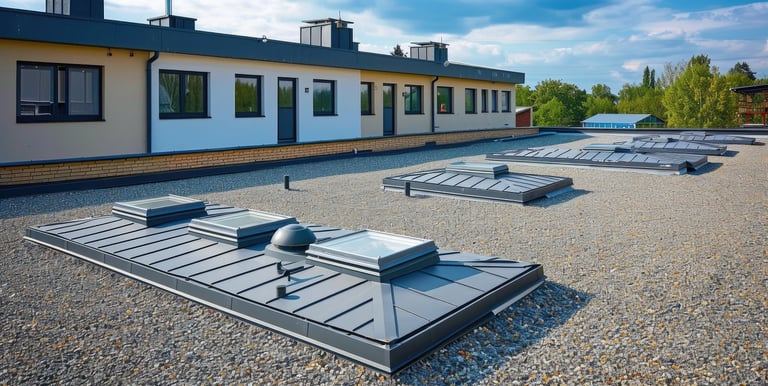
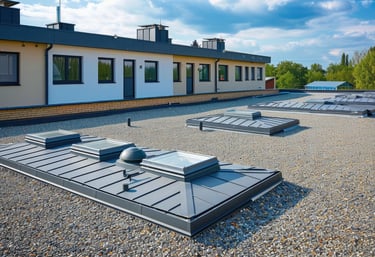
A built-up roof (BUR), also known as a tar and gravel roof, is a type of roofing system that has been used for many decades, primarily in commercial and industrial buildings. A BUR roof is a multi-layered roofing system designed to provide durability, waterproofing, and insulation.
The construction of a built-up roof involves applying multiple layers of roofing felts or mats. These felts are typically made of organic or fiberglass materials and are saturated with sticky, viscous petroleum-derived bitumen. The BUR roofing felts are alternated with hot-applied or cold bitumen layers, creating a cohesive and robust roofing membrane.
In addition to the bitumen and roofing felts, a built-up roof often includes a surfacing layer. Traditionally, this surfacing layer consists of gravel or crushed stone, which serves as a protective barrier and helps to reflect sunlight. The gravel or stone also provides additional weight and stability to the roof system. However, alternative surfacing options, such as reflective coatings or modified bitumen membranes, are also used to enhance energy efficiency and meet specific design requirements.
Advantages of a Built-Up Roof
Durability
Built-up roofs are known for their exceptional durability. They are constructed with multiple layers of bitumen, typically asphalt, and reinforced with roofing felt or fiberglass layers. This layered approach creates a robust and resilient roofing system that can withstand the elements, including heavy rains, wind, and UV radiation. Built-up roofs have a long life expectancy, often lasting 20 to 30 years or more with proper maintenance.
Waterproofing
The multiple layers of bitumen and roofing felts in a built-up roof provide excellent waterproofing capabilities. The layers’ redundancy helps minimize the risk of leaks and ensures that water does not penetrate the roof’s surface making BUR roofs suitable for areas with high rainfall or where water ponding may occur.
Thermal Performance
The multiple layers in a built-up roof also contribute to its thermal performance. The layers of insulation, typically placed between the bitumen layers, provide thermal resistance, helping to regulate the building’s internal temperature and reduce energy consumption for heating and cooling, which can lead to energy savings and improved comfort for building occupants.
Fire Resistance
Built-up roofs are known for their fire-resistant properties. The bitumen and roofing layers create a barrier that helps prevent the spread of fire. This can be particularly advantageous in commercial and industrial settings where fire safety is a primary concern.
Easy Maintenance and Repair
Built-up roofs are relatively easy to maintain and repair. Regular maintenance, such as clearing debris and inspecting for damage, can help extend the roof’s lifespan and prevent minor issues from turning into significant problems. In the event of damage or leaks, repairs can be made by adding additional layers of bitumen and roofing felt, allowing for targeted and localized fixes.
At Adviser1, we understand that choosing the right roofing system for your commercial property is a significant decision. Our team of experts is dedicated to helping you select a solution that meets your needs and ensures your roof stands the test of time. With our guidance, you can be confident in the durability and performance of your built-up roofing system.
Whether you prioritize longevity, flexibility, or cost-efficiency, Adviser1 is here to provide the support and expertise required to make an informed decision. Let's work together to secure a robust roofing solution that protects your investment for years to come.